Introduction:
The word mural originates from the Latin word “MURUS”, meaning wall. Mural is a painting applied to and made integral with the surface of a wall or ceiling. The oldest of the murals found in Kerala are those in the Thirunandikkara Cave temple now a part of Kanyakumari district in the neighbouring State of Tamil Nadu. The largest mural panel in Kerala called the Gajendra Moksha is at the Krishnapuram Palace near Kayamkulam in Alappuzha district. Kerala murals are a symbol of natural beauty and grace, elegance and simplicity and of pious devotion. The murals of the Shiva Temple at Ettumanoor provide insights into the earliest forms of Dravidian mural art.
History:
Modern times, the term became better known with the Mexican muralism art movement (Diego Rivera, David Siqueiros and José Orozco). There are many different styles and techniques. The best-known is probably fresco, During the Middle Ages murals were usually executed on dry plaster (secco). The huge collection of Kerala mural painting dating from the 14th century are examples of fresco secco. In Italy, circa 1300, the technique of painting of frescos on wet plaster was reintroduced and led to a significant increase in the quality of mural painting.
The marouflage method has also been used for millennia.
Murals today are painted in a variety of ways, using oil or water-based media. The styles can vary from abstract to trompe-l’œil (a French term for “fool” or “trick the eye”). Initiated by the works of mural artists like Graham Rust or Rainer Maria Latzke in the 1980s, trompe-l’œil painting has experienced a renaissance in private and public buildings in Europe.
A painting or photographic image is transferred to poster paper or canvas which is then pasted to a wall surface (see wallpaper, Frescography) to give the effect of either a hand-painted mural or realistic scene.
A special type of mural painting is Lüftlmalerei , still practised today in the villages of the Alpine valleys. Well-known examples of such façade designs from the 18th and 19th centuries can be found in Mittenwald , Garmisch , Unter- and Oberammergau.
Types:
Types of Mural Arts
Painted Murals | Abstract Murals | Ceramic Murals
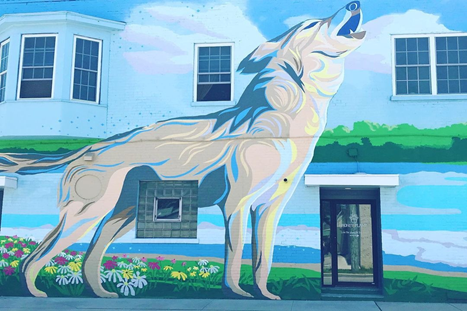
Painted Murals: Mural paintings are quite common. Often artists use acrylics to paint wall forms to express their ideas. Suzi Nassif’s murals are not abstracts. They are painted in acrylics. Suzi nassif paintings are the level of inspiration and her artistic mural (wall painting ) is loved by the audience.
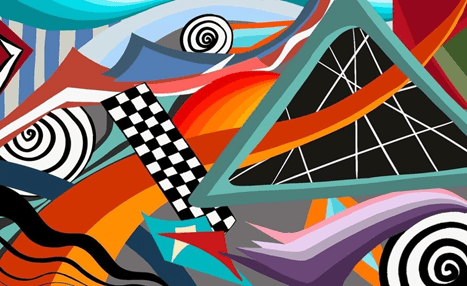
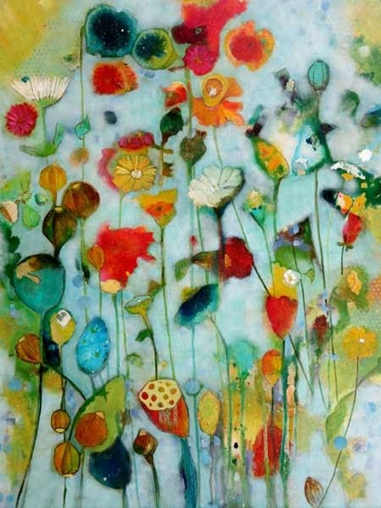
Abstract Murals: These pieces can either be on giant canvas or can be partitioned into different areas. These abstracts presents figures and shapes to convey a message to the viewers. They might make use of shapes and forms that are non-conventional.
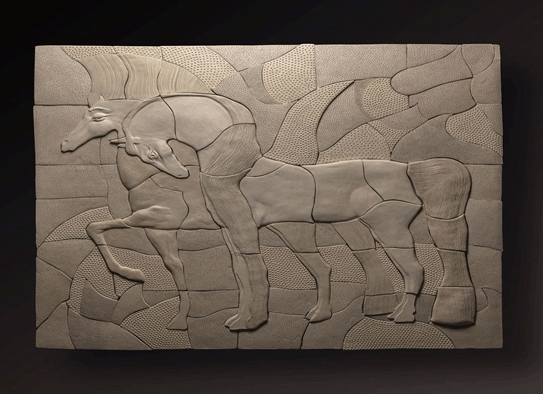
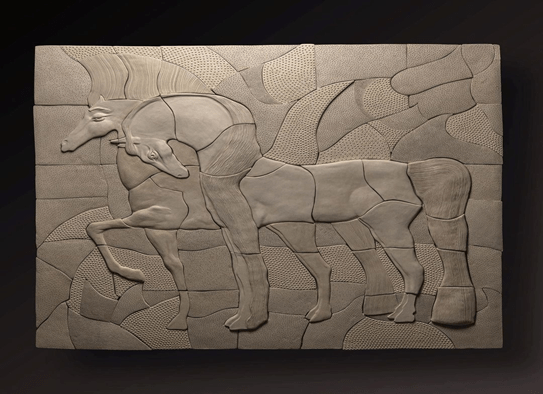
Ceramic Murals: These are the principal sort of custom size paintings and they are comprised of mirrors, mosaic and artistic pieces. This sort of paintings speak to brilliant depictions of high class creative impulses and in addition masterful aptitudes. The fired wall paintings are first made with the assistance of dirt and afterward they are heated.
Techniques of Mural Arts:
To get started, you’ll need to transfer your image onto the wall. By now you should have a sketch of what your mural will look like so you’ll need to enlarge the image into the wall using either one of these mural techniques: the grid method or an art projector. Use a pencil to trace the image onto your wall.
Now that you have your pencil outline, you can start the underpainting. The underpainting consists of large blocks of color, over which you will paint more detail later. Depending on the colors in your image, you can use interior household paint for large areas of color (blue skies, green fields, etc), or you can mix your artist-quality acrylic paints with a Liquitex Ultra Matte Gel or Matte Gel Medium by using a 1:1 ratio. From here on out, most mural techniques are similar to the painting techniques that you would use when painting with acrylics on canvas. Here are some of the many different mural techniques at your disposal.
Stenciling:
Stenciling is a popular mural technique because it is fairly simple and anyone can do it – you don’t need any special art skills. You can buy stencils in a wide variety of shapes and sizes, from alphabet letters to farm animals to wildlife, trees, planets, you name it!
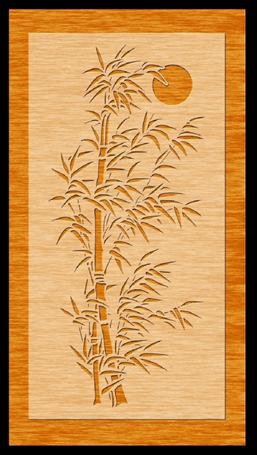
To stencil, use a painter’s tape to adhere the stencil to the wall. With one hand, hold the stencil in place and with your other hand, paint in the color. You need to be cautious around the edges, because you don’t want too much paint build-up on the edges when you lift the stencil away. Use a sweeping, circular motion when applying paint near the edges to avoid build up.
You can also use a stencil as an outline, and paint in details later. For example, you can follow the mural technique described above to stencil the image of an alligator in a solid shade of green. Then remove the stencil and paint in details, such as eyes, teeth, and bumpy skin.
Antiquing:
Antiquing is one of the easiest mural techniques. To antique a wall, mix your desired color (usually siena or umber to create an aged look) with an acrylic glazing medium, using the ratio of 4 to 5 parts glaze to 1 part paint. Brush the mixture onto your wall and quickly – while the paint is still wet – run a clean rag or cheesecloth over the paint to spread it around. For an added effect, you can use this technique to add even darker color to the corners and edges of the wall.
Glazing:
To create acrylic glazes on a wall, mix the acrylic paint with an acrylic medium Golden Glazing Liquid. This will thin and “stretch” the paint, making it more translucent. When you paint a glaze on the wall, the color underneath will show through. This is a handy mural technique for adding dimension and shading to your mural.
Significance:
Murals are important in that they bring art into the public sphere. Due to the size, cost, and work involved in creating a mural, muralists must often be hired by a sponsor. For artists, their work gets a wide audience who otherwise might not set foot in an art gallery. Most often it is the local government or a business, but many murals have been paid for with grants of support and often the visual effects are dizziness to attract public attention to social issues. Murals can be a relatively effective tool of social liberation or achieving a political goal. State-sponsored public art expressions, particularly murals, are often used by totalitarian regimes as a tool of mass-control and propaganda. Murals have served as an important means of communication for members of socially, ethnically and racially divided communities during conflicts. Many rural towns have started using murals to attract tourists to boost economic income.
Conclusion:
To summarize, Mural paintings is different from other forms of painting as it instill emotions in humans. Beautification and positivity goes hand in hand in the case of mural painting. Moreover it is effective in depicting social and political traumas. Mural paintings are stress buster, hence I call it ‘Artist`s own Morphine’. Next time, do give a shot on mural paintings.
Written by Abinayadevi K, Subbiah Surya Kumar J, Farzana N, Amitha Das C, Sivasankari T, Dharshan S and Priyanka G.
 TEAM VARNAM